Replacing a roof is a big job for any homeowner, and how much a new roof costs in the UK varies quite a bit. The final price tends to depend on the size of the roof, the materials used, where the property is located, and how steep or complex the roof design is.
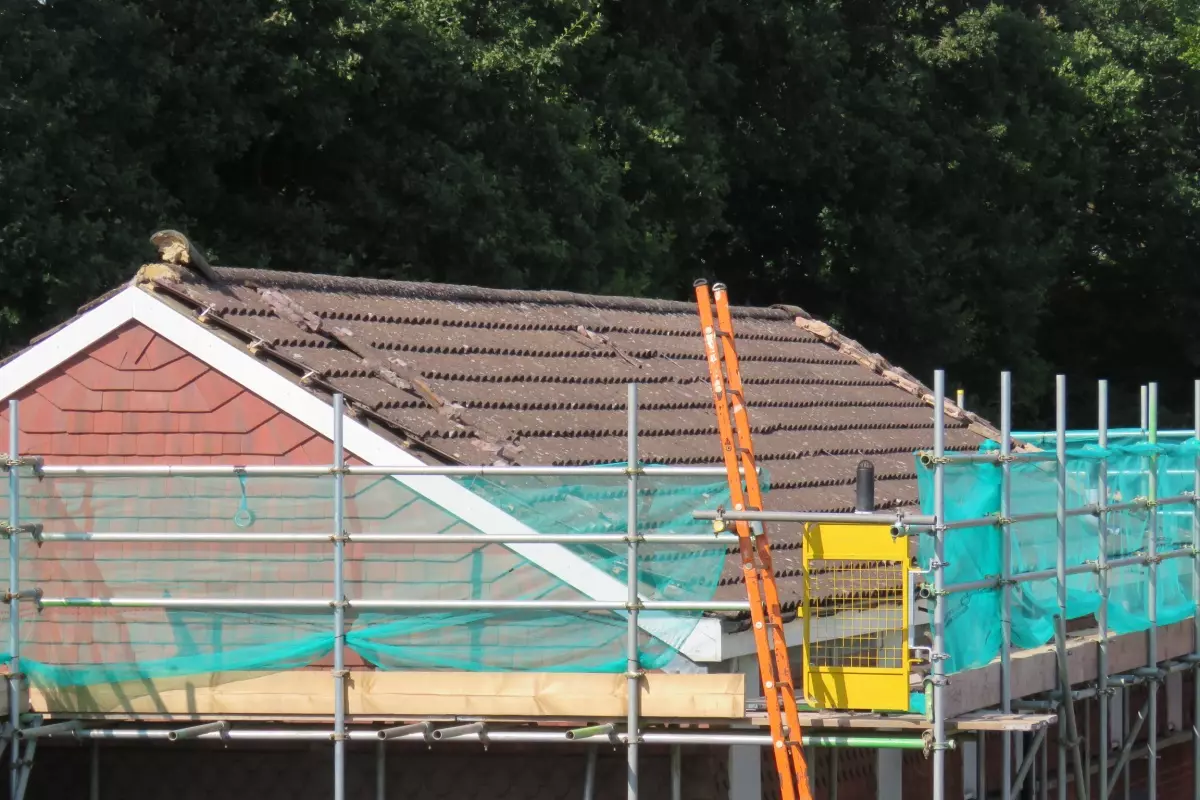
Let’s go over what to expect when budgeting for a roof replacement, what factors influence the cost, and how different roofing materials affect the overall price.
Note: Planning and building rules differ across England, Wales, Scotland and Northern Ireland. This guide is a general cost overview only. Before work starts, check whether you need planning permission, building-control approval, a building warrant, or listed-building consent, especially if you are changing materials or altering the roof structure. Roof work can also affect protected species such as bats, and some older garage roofs may contain asbestos.
There are several components that determine the overall cost of replacing your roof. Material costs are certainly an important aspect; however, other factors, including construction complexities and any pre-existing structural problems, will add up.
The size of your roof is by far the largest single determining factor when it comes to the overall cost of a new roof in the UK.
Typically, roofers price out jobs based on the total roof area. This means that larger roofs will need to use more materials and require more labour hours to complete. It may even require scaffolding, adding to the overall cost of the job.
One of the biggest factors in how much a new roof costs is the type of roofing material chosen, as each option has its own unique price point.
For example:
Higher-end materials will drive up both the cost of the materials themselves and the cost of the labour needed to install them. This is because many require specialised skills and techniques.
Some homeowners choose to spread the cost of roof replacement using finance or savings, depending on their circumstances.
Roof pitch refers to how steep your roof is. Steeper roofs require additional safety measures and take longer to work on.
Additionally, complex roofs with multiple valleys, dormer windows, skylights, and chimneys will require more labour, time, and attention to detail to complete. This drives up the overall cost of the project.
Once the old roof has been removed, contractors will inspect the roof deck, rafters, and timbers for any signs of damage or deterioration, such as rot, damaged rafters, or weakened decking.
Any structural repairs identified during this process will add additional labour and materials to the overall cost of the project.
Roof refurbishment rules vary across the UK. In England and Wales, replacing a significant area of roof covering, changing the roof structure, or switching to a materially heavier covering can trigger building-control approval and insulation upgrades. In Scotland, you may need a building warrant.
Always check with your local authority or approved installer before work starts.
Roof replacement costs vary widely depending on roof area, pitch, access, scaffolding, waste removal, and whether hidden timber repairs or insulation upgrades are needed. Based on UK consumer cost guides accessed in April 2026, the ranges below should be treated as general budgeting information for common roofing systems. Source pages differ on whether VAT, scaffolding, roof removal, and waste disposal are included, so these figures are for informational purposes rather than like-for-like quotes.
| Roof Type | Typical UK Cost per m² | Typical UK Cost per Example 100 m² Roof | Lifespan (Years) | Notes |
| Concrete Tile Roof | £100–£130 | £10,000–£13,000 | 40–60 | One of the most common and affordable roofing materials used on UK homes. Durable and widely available. |
| Clay Tile Roof | £120–£180 | £12,000–£18,000 | 50–100 | Traditional appearance often used on period or heritage properties. Higher material cost than concrete. |
| Natural Slate Roof | £160–£240 | £16,000–£24,000 | 80–120 | Premium roofing material known for durability and a distinctive natural look. Installation requires skilled labour. |
| Felt Flat Roof | £50–£80 | £5,000–£8,000 | 10–20 | Common on garages and small extensions. Lower cost but shorter lifespan compared with other systems. |
| EPDM Rubber Roof | £70–£100 | £7,000–£10,000 | 25–50 | Popular modern flat roofing material with good waterproofing and weather resistance. |
| Fibreglass (GRP) Roof | £90–£140 | £9,000–£14,000 | 30–40 | Seamless flat roof system with strong durability and low maintenance requirements. |
For properties with extensions or garages, the flat roof replacement cost or a garage roof replacement cost is usually lower than a traditional pitched roof.
Choosing a qualified roofing contractor can make a significant difference in both cost and quality.
Before hiring a roofer, find out if they are registered with recognised organisations such as the National Federation of Roofing Contractors (NFRC) and CompetentRoofer. These organisations set professional standards and offer additional protection for homeowners.
Note: In England and Wales, a contractor registered under the NFRC Competent Person Scheme may be able to self-certify qualifying roof-refurbishment work. You should also check insurance, written guarantees, and whether the business is TrustMark registered.
Getting quotes from at least three different contractors can help you get a better idea of the price range and what is included in each estimate.
Make sure all the quotes clearly list:
A good roofer will provide you with pictures or references of their past work so you can have a better understanding of how they work and what to expect.
Ask what the workmanship guarantee covers, whether materials have separate manufacturer warranties, and whether any guarantee is insurance-backed.
The cost of replacing your roof is one of the largest expenses you will incur as a homeowner. However, there are many ways available to lower the overall price without losing the quality of the new roof.
Roofers usually get high demand in the spring and summer when weather conditions are at their best. Availability may be better if your timing is flexible.
Choose high-quality roofing material that will last much longer, such as natural slate. However, it may exceed some budgets. You can also look into concrete tiles, which provide excellent durability and are priced less than natural slate.
If you find small leaks in your roof or damaged tile, they need to be addressed immediately. If you wait too long, the leak can cause serious structural damage to the roof, resulting in a complete roof replacement sooner than expected.
Prices can vary greatly among qualified contractors doing the same job. By getting multiple estimates, you can determine who is offering the best price.
Replacing a roof typically has additional costs associated with it. Plan ahead and do your research on different types of roofs early so you can prepare for the investment.
Replacing a roof can be a better long-term investment than continuing with frequent repairs. If damage is widespread, leaks appear in several areas, or the structure is weakening, the cost of repairs will add up quickly.
A new roof can provide better protection, improve energy efficiency, and help preserve saleability and avoid value loss from a visibly poor roof.
This depends on the size of the roof, the type of materials used, and the overall complexity of the structure. A straightforward tiled replacement on an average three-bedroom house may take around three to four days. You can expect longer times for complex roofs or structural repairs.


(All content, including text, images, logos, and other materials, is the intellectual property of Renovate Dot UK Limited unless otherwise stated. You may not reproduce, distribute, or otherwise use the content for commercial purposes without prior written consent)
Every effort is made to keep the website up and running smoothly. However, Renovate Dot UK Limited takes no responsibility for, and will not be liable for, the website being temporarily unavailable due to technical issues beyond our control.
This disclaimer and all matters relating to your use of this website are governed by the laws of England and Wales, and any disputes shall be subject to the exclusive jurisdiction of the courts of England and Wales.


