The conservatory roof replacement cost in the UK typically falls between £3,000 and £18,000 or more, with the average job coming in around £10,000. The price varies depending on the size of the conservatory, the material chosen, and the level of work involved.
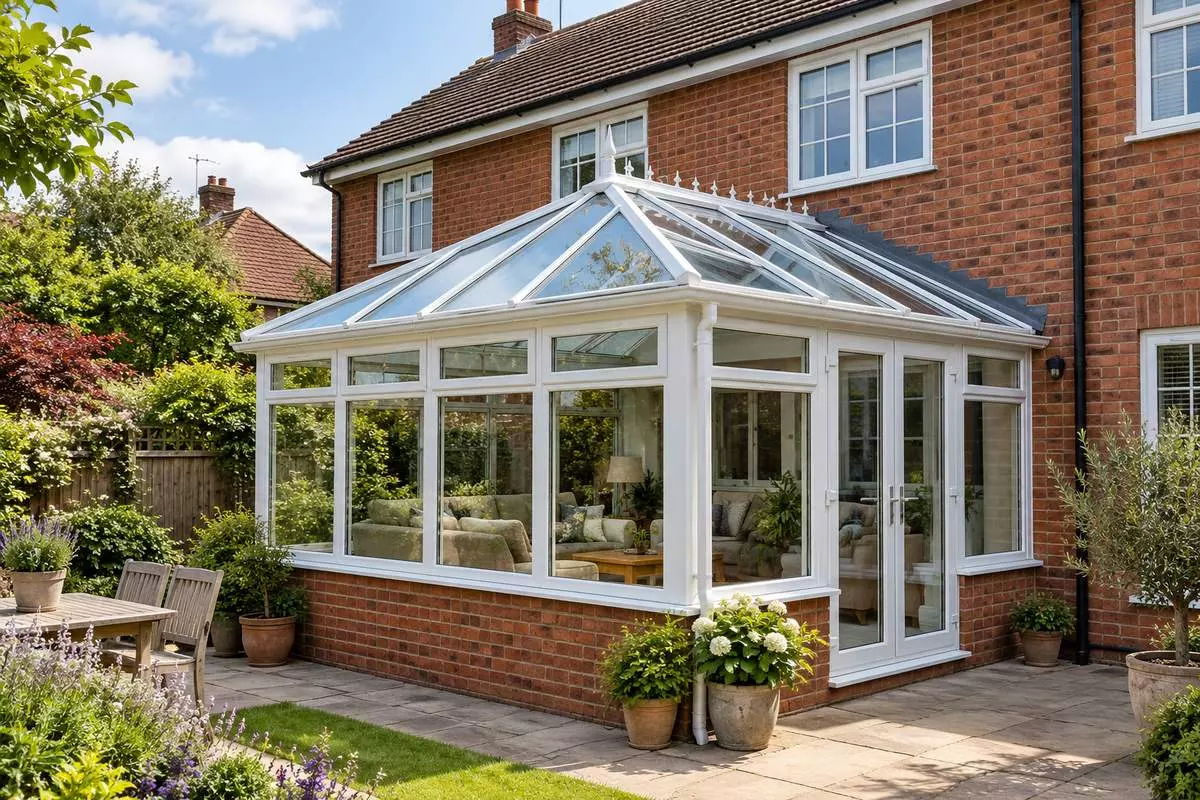
Most homeowners start thinking about a replacement when the conservatory becomes uncomfortable for most of the year: too hot in summer, too cold in winter, noisy in the rain, or beginning to let in water.
Replacing it at the right time avoids escalating repair costs and, with the right material choice, can turn a neglected space into one of the most used rooms in the house.
Knowing what to expect to pay before you speak to a contractor means you can assess quotes properly, ask the right questions, and avoid paying more than necessary.
Every roof is different, so costs vary. These are the main things that move the price up or down.
Size is one of the biggest cost drivers when estimating how much to replace a conservatory roof. A larger roof requires more materials, more labour time, and in some cases additional structural support to carry the extra weight.
As a rough guide, you may expect the following costs:
Material is the single biggest variable in the final price. These are three main options, each with different costs, performance levels, and lifespans.
Polycarbonate is the most affordable choice, lightweight, and quick to install. However, it offers poor insulation, which is the main reason many conservatories are unusable in extreme temperatures.
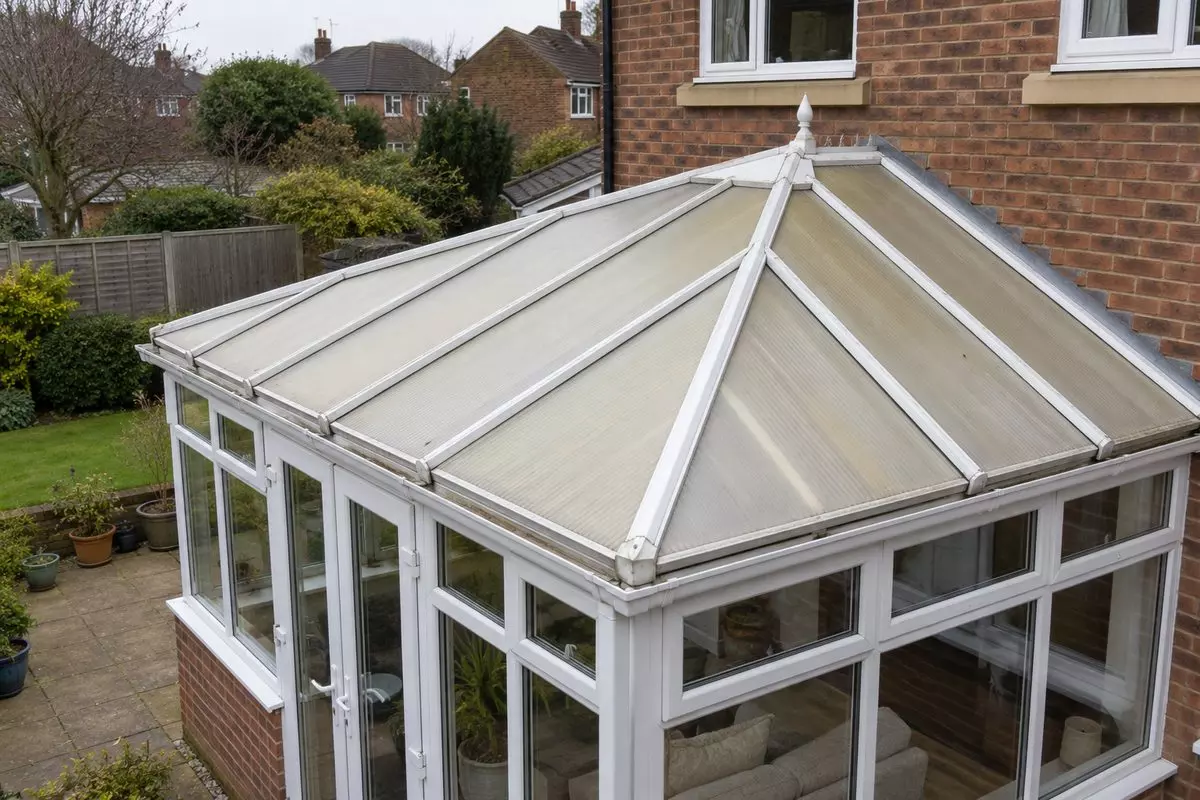
Modern polycarbonate has improved, but it still can’t match glass or solid roofs for thermal performance or soundproofing.
Glass is brighter and more modern than polycarbonate. It provides better insulation, particularly if it’s thermally coated, and a more premium appearance. Glass still allows more heat loss than a solid roof, but for homeowners who want natural light without the limitations of polycarbonate, it’s a strong middle-ground option.
This is the most expensive option upfront and the most transformative because a solid roof effectively turns your conservatory into a year-round room, with insulation levels comparable to the rest of the house.
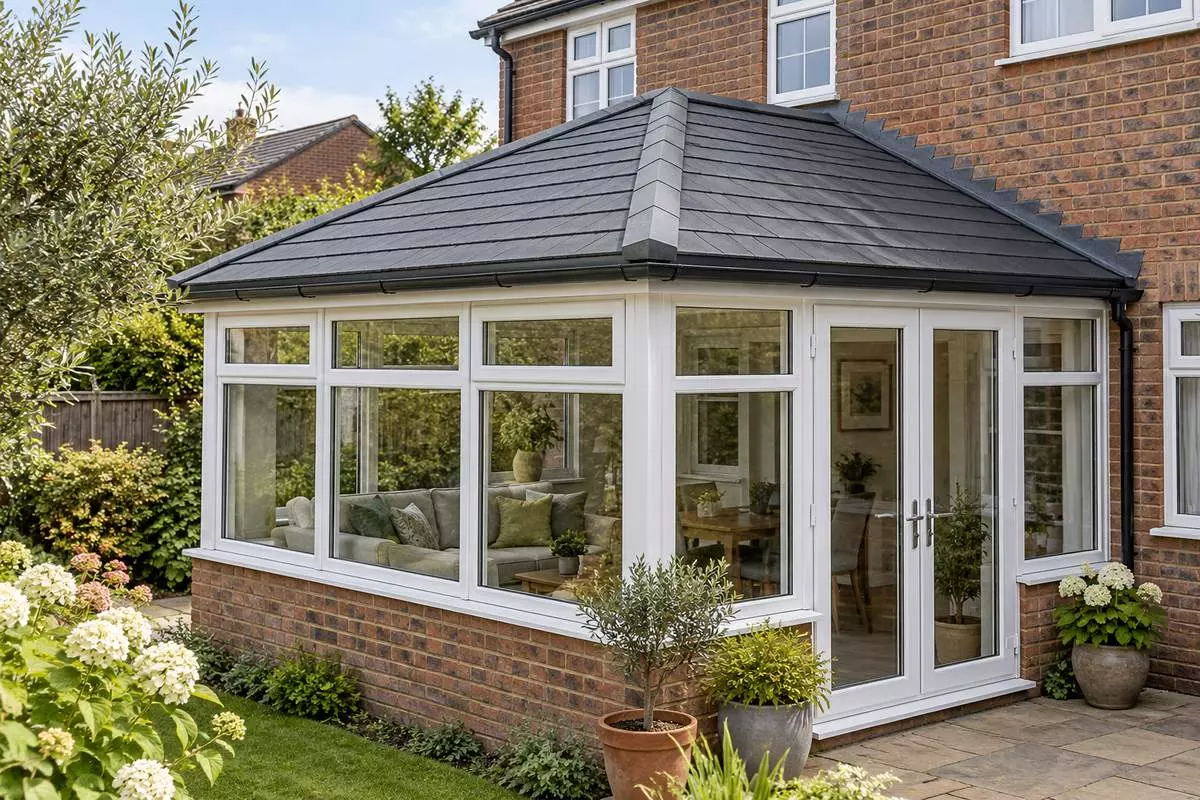
Rain noise can be significantly reduced, temperature control becomes manageable, and the space stops feeling like a seasonal add-on.
Labour typically accounts for a meaningful portion of the total cost of replacing a conservatory roof. Most installers charge a day rate of around £400 per person, though this varies by region and complexity.
London and the South East typically run higher than other regions.
Always ask for an itemised quote that separates labour from materials so you can compare like-for-like when getting multiple prices.
Yes, and these are costs that don’t always appear in a headline price.
Solid and tiled roofs are heavier than polycarbonate or glass. If the existing frame isn’t strong enough to carry the additional weight, it needs to be reinforced before installation begins. This can add £1,000 to £3,000 to the total.
Other additional costs to be aware of:
Always clarify what is and isn’t included in a quote before you commit.
Conservatory roof replacement costs depend on the type and size of the roof.
Here is a summary of the cost of a new conservatory roof by material across a range of conservatory sizes on a medium-sized conservatory with standard installation:
| Roof Type | Typical Cost Range | Lifespan | Best For |
| Polycarbonate | £3,000–£6,000 | Up to 20 years | Budget-conscious upgrades |
| Glass | £3,000–£8,000 | 25–30 years | Maximising light with better insulation |
| Solid/Tiled | £7,000–£18,000 | Up to 50 years | Year-round usability, best insulation |
Size and material interact directly. A large conservatory with a solid roof will naturally cost more than a small one with polycarbonate.
The table below gives a clearer picture of how these two variables combine:
| Conservatory Size | Polycarbonate | Glass | Solid/Tiled |
| Small (3m x 3m) | £2,500–£4,500 | £3,500–£6,500 | £6,500–£9,000 |
| Medium (4m x 4m) | £4,000–£6,000 | £5,000–£9,000 | £8,000–£12,000 |
| Large (5m x 5m) | £5,000–£7,000 | £7,000–£12,000 | £10,000–£18,000 |
These two terms are often used interchangeably, but they describe different approaches, and the distinction matters when you’re budgeting.
Roof replacement means removing the existing roof entirely and installing a new system from scratch. It’s the more thorough option, gives access to a wider choice of materials, and delivers better long-term performance.
It also tends to be the right call when the existing roof has significantly deteriorated or when upgrading to a heavier or tiled system.
When considering conservatory roof conversion cost, this option involves upgrading the existing roof structure rather than replacing it entirely. In practice, this often involves fitting insulated panels or a new tile system over or within the current frame.
It’s less disruptive, sometimes faster, and can cost 20% to 30% less than a full replacement, but it’s only viable if the current frame is structurally sound and suitable for the planned upgrade.
There are practical ways to keep costs down without ending up with a roof that disappoints.
The quality of the installation matters as much as the material you choose. A well-made, solid roof fitted by an inexperienced installer can perform worse than a cheaper option done properly.
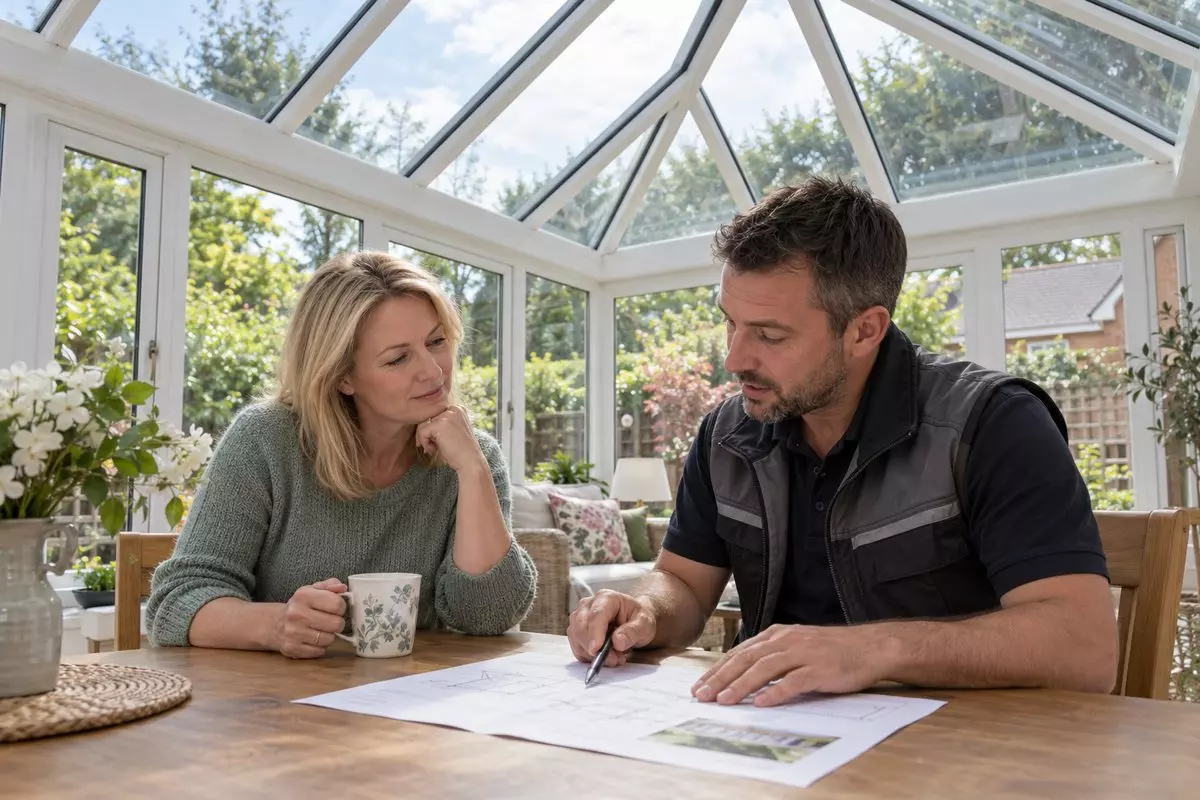
When comparing contractors:
Installers who use systems with Local Authority Building Control (LABC) approval for solid roofs offer an added layer of assurance that the work meets current building standards. It’s worth asking about this specifically if you’re going the solid roof route.
Most replacements take between two and seven days. A simple polycarbonate swap on a small conservatory can be done in a day or two. Glass roofs on medium-sized conservatories typically take three to four days. A full solid or tiled roof replacement usually takes five to seven days, and sometimes longer on larger or complex structures.
A like-for-like polycarbonate or glass replacement is unlikely to add measurable value on its own. A solid or tiled roof is a different matter. It effectively reclassifies the conservatory as a usable year-round room rather than a seasonal space, which makes the property more appealing to buyers.
The clearest signs are leaks or damp patches inside the conservatory, visible cracking or yellowing of polycarbonate panels, broken or fogged glass, and persistent temperature problems, the space being unusable in hot or cold weather despite heating or cooling.


(All content, including text, images, logos, and other materials, is the intellectual property of Renovate Dot UK Limited unless otherwise stated. You may not reproduce, distribute, or otherwise use the content for commercial purposes without prior written consent)
Every effort is made to keep the website up and running smoothly. However, Renovate Dot UK Limited takes no responsibility for, and will not be liable for, the website being temporarily unavailable due to technical issues beyond our control.
This disclaimer and all matters relating to your use of this website are governed by the laws of England and Wales, and any disputes shall be subject to the exclusive jurisdiction of the courts of England and Wales.


