Roof problems rarely appear at a convenient time. A small leak after heavy rain, slipped tiles following a heavy storm, or visible wear on an older roof can quickly raise the question: how much does it cost to repair a roof?
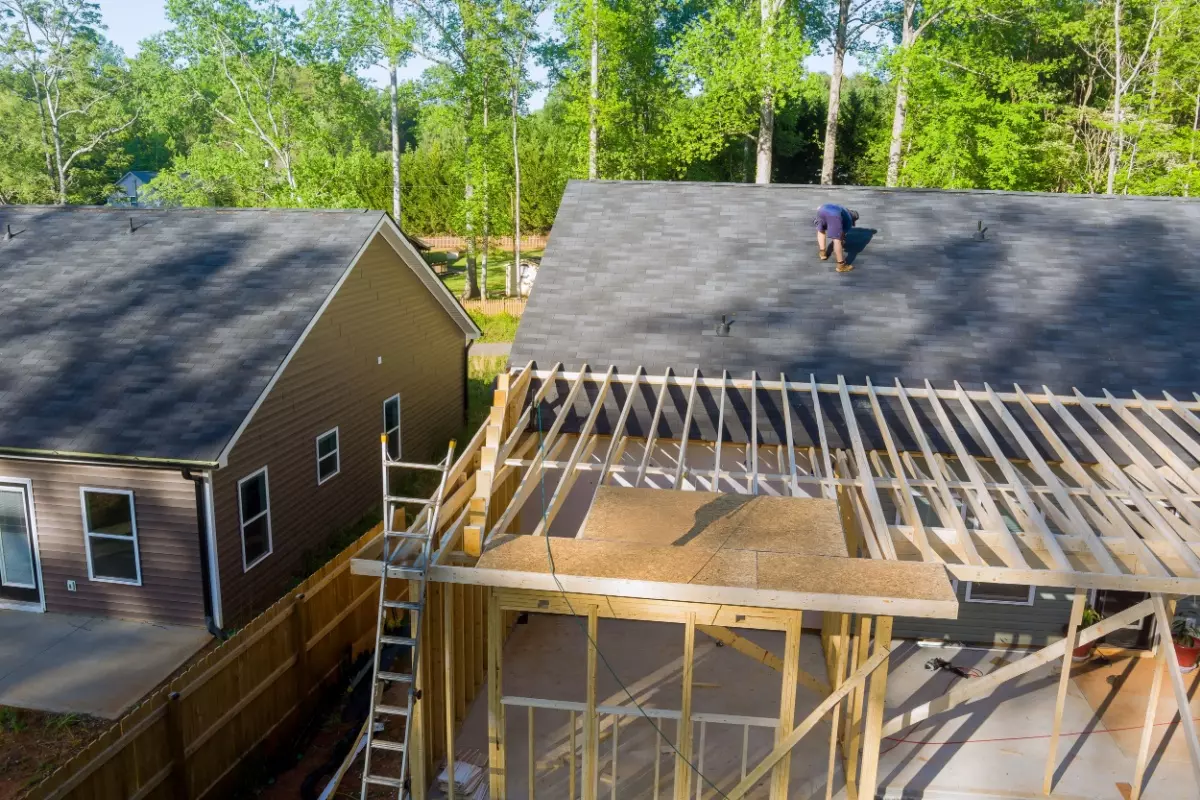
In this blog, homeowners will understand typical roof repair costs, what drives pricing up or down, and how different repair types are usually handled by professional contractors. While every roof is unique and final prices depend on an on-site inspection, knowing the usual ranges can help you plan, budget, and avoid surprises when speaking with a roofer.
Most roof repairs can be traced back to a few common causes that influence both how the repair is carried out and how much it is likely to cost.
Exposure to wind, rain, snow, and occasional hail gradually takes a toll on a roof. Strong winds can dislodge tiles, prolonged rainfall can exploit weak points, and repeated freeze-thaw cycles cause materials to expand and contract, which leads to cracks and movement over time.
The UK’s climate has warmed significantly over recent decades, resulting in increasingly frequent extreme weather events, including heavy rain that can damage roofs.
All roofing materials deteriorate eventually, even when they were installed correctly. Mortar can dry out and crumble, tiles may become brittle, and flat roof membranes lose flexibility as they age. Older roofs often need more frequent repairs before more significant work becomes necessary.
Problems caused by poor installation are not always obvious straight away. Incorrectly fixed tiles, inadequate overlaps, or poorly sealed joints can take years to show signs of failure, often appearing later as leaks or structural strain.
Small issues that are left unaddressed tend to grow. Blocked gutters, slipped tiles, or minor leaks can allow water to spread beneath the roof covering, turning what could have been a straightforward repair into a more extensive job.
Roof repair costs are rarely driven by just one problem. By knowing what factors influence a roofing quote, homeowners can see why prices vary between contractors and feel more confident when discussing repair options.
The shape and height of your roof play a big part in how repairs are priced. For example, a steeper or higher roof simply takes longer to work on and requires more care. This translates to higher labour costs even when the repair itself is relatively small.
Access is one of the most common reasons repair costs increase. That’s because roofers often need scaffolding to work safely and properly, and this is usually charged separately. In some cases, however, the cost of access can be similar to the cost of the repair, especially on taller or harder-to-reach properties.
What you can see from the outside is not always the full picture. Repairs limited to the roof covering are usually more affordable, especially when compared with the much higher flat roof replacement cost. But if water has reached insulation or timber beneath the surface, the work becomes more involved and therefore more expensive.
Not all roofing materials are easy to replace. For instance, modern concrete tiles are widely available, while older clay tiles or natural slate may take longer to source or match. When materials are hard to find, both labour time and costs tend to increase.
As is often the case, roof repair costs can vary depending on where you live. Areas with higher demand for skilled trades or higher living costs often see higher labour rates. As a result, this can affect overall pricing even for similar repair work.
Some roofs need extra safety measures, such as harnesses or edge protection. This is particularly the case where access is limited or exposure is higher. These steps protect workers and ensure the job is done properly. At the same time, they can also add to the overall cost. Check out the health and safety executive guidance on roof work here.
The cost of roof repair varies from one property to another, depending on location, roof type, access, and the extent of the damage.
As a general guide, minor repairs, like roof leak repair costs, usually start at around £100 and can reach £400 when the work is limited to easy and simple fixes, such as replacing a few damaged tiles or dealing with a small, localised leak.
Moderate repairs typically fall between £500 and £1,000. These jobs often involve work across more than one area of the roof, such as addressing recurring leaks, repairing multiple damaged tiles, or carrying out ridge tile repairs where mortar has worn away or tiles have loosened over time.
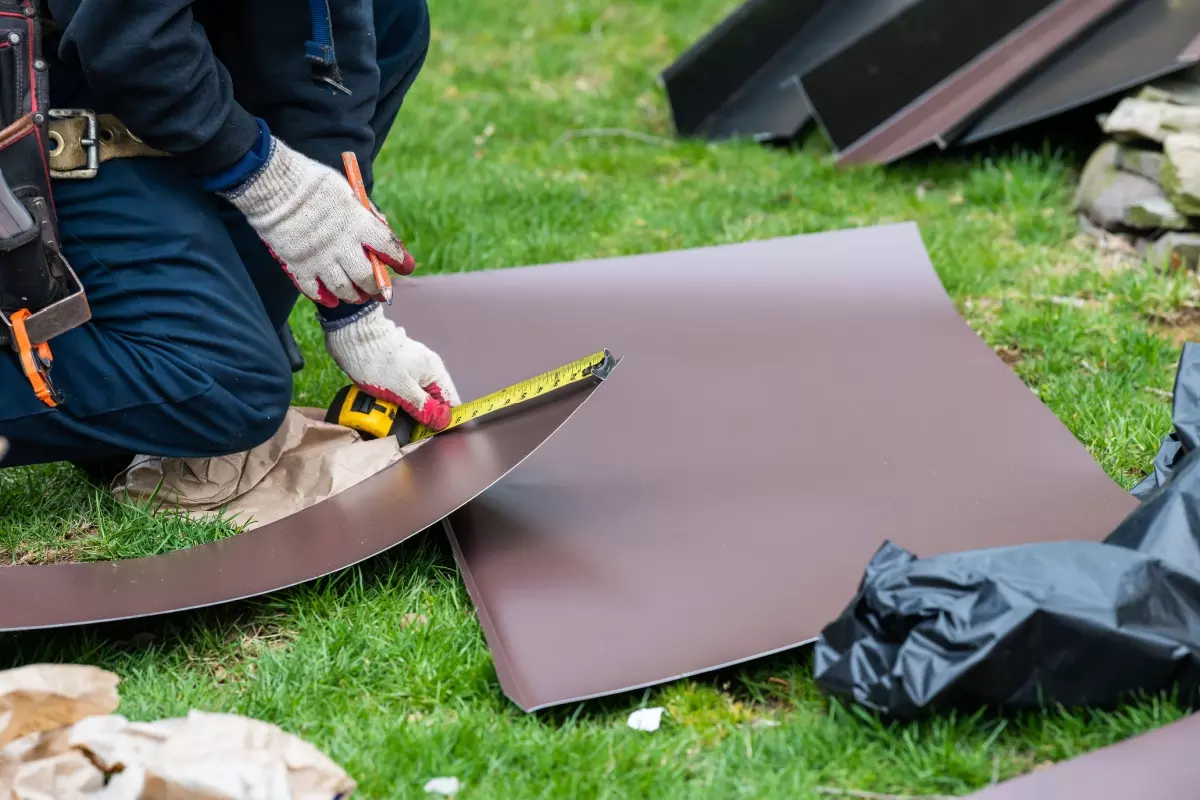
Major roof repairs involving structural work can cost £2,500 or more, which is why some homeowners explore roof financing options to spread the cost over monthly repayments.
VAT note: The prices in this guide are estimates for general budgeting. Unless your written quote says otherwise, assume VAT may be added if your roofer is VAT registered. The standard VAT rate is 20%. Some smaller tradespeople are not VAT registered, so VAT is not always charged. Always confirm whether VAT is included before you approve the work.
Below are typical roofing problems homeowners tend to experience, and the cost ranges when handled by a professional contractor.
| Roof issue | Typical repair cost | What’s involved |
| Slipped or broken tiles | £75–£500 | Replacing damaged tiles, refining surrounding tiles, and checking adjacent areas for movement or wear |
| Roof leaks | £100–£1,500 | Tracing the source of the leak, sealing affected areas, and carrying out localised repairs to prevent further water ingress; note that the cost varies depending on what’s causing the leak |
| Ridge tile repairs | £80–£500 | Repointing or rebedding loose ridge tiles and restoring weatherproofing along the roof’s highest point. |
| Valley damage | £400–£1,000 | Repairing or reinforcing existing valley linings, with higher costs applying where access is difficult, or specialist materials are required |
| Flat roof patch repair | £200–£600 | Localised repairs to felt or membrane systems where damage is limited, and the underlying structure remains sound |
| Structural timber repairs | £800–£3,000 | Repairing or replacing damaged rafters, roof decking, or load-bearing timber where water damage or decay has occurred; severe structural damage can cost much more |
If a roofer’s report or quote uses unfamiliar terms, this quick glossary can help you follow what they are describing and why it matters.
| Term | What It Means |
| Ridge | The highest line of the roof, where the two sloping sides meet |
| Ridge tiles | The tiles that sit along the ridge line to keep the roof watertight |
| Valley | The internal channel where two roof slopes meet, designed to carry rainwater down to the gutter |
| Verges | The edges of the roof at the gable ends, often finished with verge tiles or mortar |
| Eaves | The lower edge of the roof where the tiles or slates overhang the wall and rainwater runs into the gutters |
| Fascia board | The board fixed to the end of the rafters at the eaves, which typically supports the guttering |
| Soffit | The board underneath the eaves, between the wall and the fascia |
| Rafters | The structural timbers that form the roof shape and support the roof covering |
| Battens | Horizontal strips of timber fixed to rafters, which tiles and slates are attached to |
| Underlay (often called felt) | The waterproof or breathable membrane beneath tiles or slates, designed as a secondary barrier against water |
| Flashing | Usually leadwork fitted where the roof meets brickwork (for example around chimneys) to prevent water getting in |
| Guttering and downpipes | The rainwater system that carries water away from the roof and walls |
If any of these parts need repair or replacement, costs can change quickly based on access and how much of the roof needs to be opened up to reach the issue.
Roof repair pricing also depends heavily on the roofing material. In the UK, some materials are far more common than others, and the availability of skills plays a big role.
| Roofing material | How common it is | Typical repair cost range per m² | Why costs vary |
| Concrete tiles | Very common | £90–£120 | Widely available materials and skills keep labour and repair costs lower |
| Clay tiles | Common | £110–£160 | Heavier and more fragile than concrete, requiring more careful handling |
| Natural slate | Common, especially in older homes | £150–£220 | Specialist labour and difficulty matching existing slate increase costs |
| Flat roof felt | Common | £100–£140 | Repairs are often priced by area and affected by exposure and drainage |
| EPDM or rubber flat roofs | Increasing | £120–£170 | Specialist materials and installation methods affect labour and pricing |
In many cases, roof repairs do not always cost exactly what the initial quote suggests. That’s because additional work only becomes clear once repairs are underway, particularly when damage sits beneath the surface.
A visible leak is often only part of the problem. Once roof coverings are lifted, contractors may find damp insulation, weakened timber, or damaged decking that needs attention before the roof can be properly repaired.
Dealing with this hidden damage is important for long-term performance, but it can increase both labour and material costs significantly and affect the final leaking roof repair cost once repairs are underway.
In older homes, roof repairs can reveal areas that no longer meet today’s building standards. When this happens, certain parts of the roof may need to be updated, such as adding ventilation or improving insulation.
These updates are not always required, but when they are, they can increase the amount of work involved.
Roof work that doesn’t materially affect the external appearance of your home typically does not need planning permission. Likewise, a building control application is not normally needed if the renovation affects less than 25% of your home’s envelope and less than 50% of the roof. Please note that rules vary in Scotland, Wales, Northern Ireland, listed buildings, and conservation areas.
Repairs carried out at short notice, especially after storms or sudden leaks, often cost more than planned work. Factors such as emergency call-outs, evening or weekend labour, and temporary weather protection can all add to the final bill.
Roof repairs generate waste, especially when old materials or damaged components need to be removed. Disposal is sometimes included in a quote, but for heavier materials or large jobs, it may be listed as a separate cost.
While no roof is completely maintenance-free, taking preventative measures can reduce the frequency of repairs and help extend the life of the roof.
Having a roof inspected every one to two years, and especially after severe weather, allows problems to be identified early. Issues like loose tiles, early signs of water ingress, or minor wear can often be repaired quickly before they develop into more serious damage.
Some may think that a slipped tile or a minor leak is easy to ignore, but small defects rarely stay small. Left unaddressed, these issues can allow moisture to reach insulation or structural elements over time. Always address problems early to keep repair work simpler and more affordable.
Keeping gutters clean helps protect the roof structure as a whole. When water cannot flow away from the roof properly, it can back up under tiles or along roof edges. This increases the risk of leaks and deterioration because of blocked gutters and poor drainage.
Many repair issues trace back to poor workmanship. Choosing experienced installers who follow proper installation standards reduces the likelihood of early failure and repeat repairs later on.
For older roofs, planning maintenance ahead of time is often more effective than waiting for problems to appear. Regular checks and small repairs can help avoid sudden and costly damage.
Roof repair costs vary from home to home because of the condition of the roof, the materials used, and the extent of hidden damage. By understanding the typical costs and common repair issues, homeowners can plan ahead and ask better questions. However, a proper on-site inspection always remains the only reliable way to confirm what work is needed and what it will cost.
Roof repairs should be carried out by qualified roofing contractors with proper insurance and relevant certifications. Look for professionals with experience with your specific roof type, proof of public liability insurance, and clear workmanship guarantees.
Emergency roof repairs often cost more because they need to be carried out quickly and sometimes outside normal working hours.
For those reasons, extra charges may apply for after-hours labour, temporary weather protection, short-notice scaffolding, or the removal and disposal of damaged materials.
Confirm emergency pricing before work begins to avoid unexpected costs.
When comparing roofing quotes, look beyond the total price because the lowest quote is not always the best choice if important details are missing. Clear cost breakdowns, a defined scope of work, warranty details, contractor experience, and payment terms all help indicate value.


(All content, including text, images, logos, and other materials, is the intellectual property of Renovate Dot UK Limited unless otherwise stated. You may not reproduce, distribute, or otherwise use the content for commercial purposes without prior written consent)
Every effort is made to keep the website up and running smoothly. However, Renovate Dot UK Limited takes no responsibility for, and will not be liable for, the website being temporarily unavailable due to technical issues beyond our control.
This disclaimer and all matters relating to your use of this website are governed by the laws of England and Wales, and any disputes shall be subject to the exclusive jurisdiction of the courts of England and Wales.


