Even though metal roofing isn’t the most common choice here in the UK, it can still be a practical option for some homeowners. The reason is simple: it lasts a long time, needs relatively little upkeep, and handles harsh weather well when correctly specified and installed.
The metal roof cost can vary between around £60 and £200 or more per square metre installed. Of course, this depends on the material, roof design, and how complex the work is. Premium options like zinc and copper, for instance, sit at the higher end.
These are broad guide prices checked in June 2026, not quotations. Check whether VAT, scaffolding, removal of the old roof, waste disposal, insulation, flashings, and structural repairs are included.
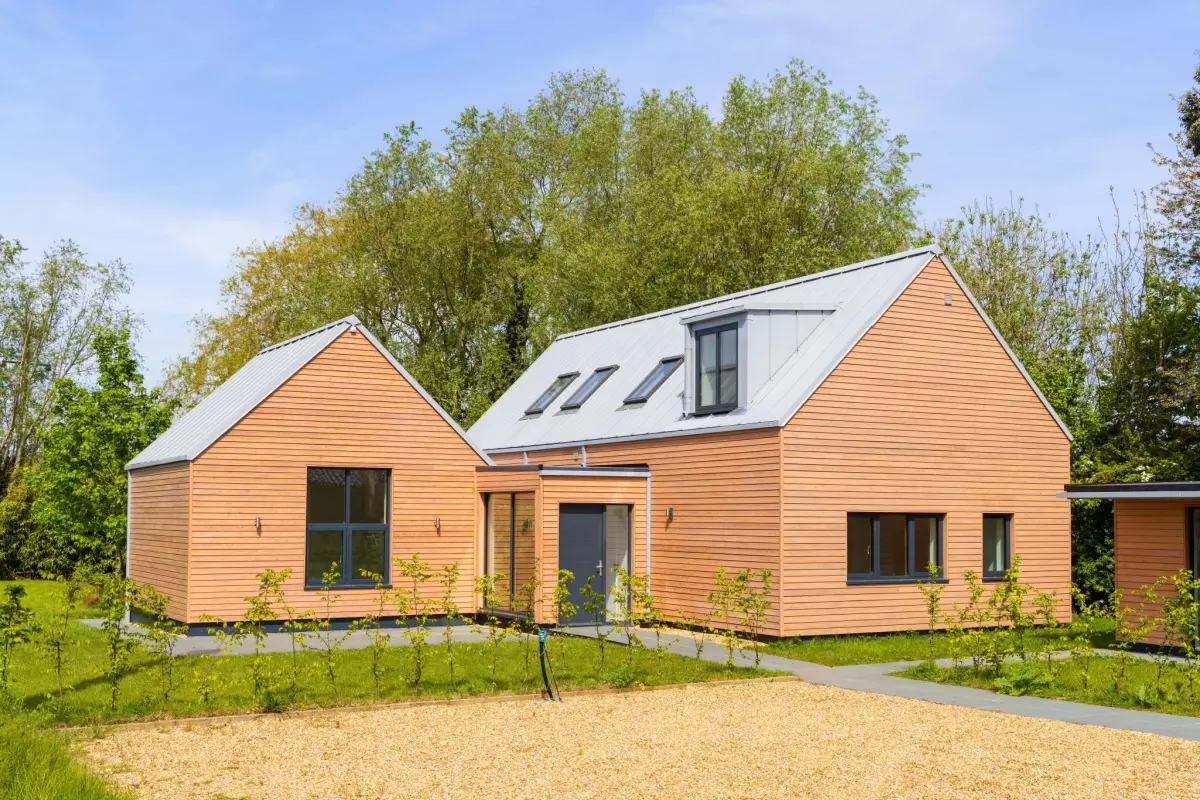
In this guide, you’ll get a clear breakdown of prices, materials, and what actually affects the final cost, so you can get a better idea of the budget you may need.
Metal roofing can work really well for some homes. But it ultimately comes down to your budget, roof design, and the look you’re going for.
When looking at metal roofing cost, you need to understand the material type and the roof profile (i.e., how the panels are shaped and installed), as both influence the final price.
Because standing seam can be made from steel, aluminium, zinc, or copper, the table below combines materials and systems rather than listing two sets of prices that may overlap.
| Material and system | Typical installed cost per m² | Cost level | Often used for | What to expect |
| Corrugated or profiled coated steel | £50–£90 | Low to mid | Garages, extensions, and simple roofs | Fast to install, visible fixings, and generally the lowest upfront cost |
| Standing-seam steel, aluminium, or zinc | £95–£160 | Mid to high | Modern homes and more detailed roof designs | Hidden fixings and specialist installation; zinc usually sits towards the upper end |
| Copper roofing | £200+ | High | Premium projects | High material cost and specialist detailing; the finish changes as it weathers |
| Metal shingles or tile-effect panels | Product-specific quote recommended | Mid | Homes wanting a traditional look | Mimics tiles or slate, with a more detailed installation |
These ranges include the roof covering and installation on a suitably prepared roof, not a complete roof replacement.
The total metal roof cost depends on more than just the material, and it often follows similar patterns you’d see with any new roof cost.
A large roof increases the total cost, but the shape matters just as much. Roofs with multiple slopes, valleys, rooflights, or chimneys take longer to install and create more waste, which raises the cost per square metre.
Steel is usually the most budget-friendly option. Aluminium costs more, while zinc and copper sit at the top end because of their material price and specialist installation requirements.
Steep roofs are harder to work on and require extra safety measures. Limited access, such as tight spaces or no driveway, can slow down the job and increase labour costs.
Some systems are quicker to install than others. Corrugated sheets are faster and cheaper, while standing seam requires more time, skill, and precision. This alone can change your quote even if the material stays the same.
Labour costs vary across the UK. Prices are usually higher in London and the South East, although local demand and the availability of specialist installers also matter.
Metal roofs need suitable layers underneath to manage condensation, noise, and heat loss. Adding insulation or upgrading the underlay increases the upfront cost but may be necessary for the roof to perform correctly.
If the current roof structure needs repairs, reinforcement, or full removal, this adds time and cost. Issues like rotten timber or poor ventilation may only become clear once the old roof is removed.
Disposing of old materials, scaffolding, and skip hire are often added separately. Flashings, trims, gutters, and finishes can also increase the final price.
Because prices vary widely between systems, one overall average can be misleading. These figures give a broad idea of what different roof sizes might cost using £60 to £160 per square metre for many steel, aluminium, and zinc systems.
| Project type | Typical guide cost |
| Cost per m² installed | £60–£160 |
| Small roof of 50 m² | £3,000–£8,000 |
| Medium roof of 100 m² | £6,000–£16,000 |
| Example roof of 150 m² | £9,000–£24,000 |
These are simple illustrations rather than average quotations. Copper can cost £200 per square metre or more. The figures may not include VAT, scaffolding, removal, waste disposal, insulation, structural repairs, or building-control costs.
Labour is a big part of the total metal roof cost, especially since metal systems need careful fitting.
Current UK pricing guides put general roofer day rates at roughly £180 to £360 per roofer, depending on location and experience. Specialist metal roofing may sit towards the higher end or be priced as a complete job. The final labour cost depends on how complex the roof is and how long the job takes.
Here’s what actually affects what you pay:
You don’t have to overspend to get a good result. A few smart choices can bring the cost down without cutting essential quality, especially on larger roofs.
The best metal roof comes down to how you balance cost, performance, and appearance. A quick decision can lead to higher costs later, so it helps to consult a roofing contractor to discuss a few key points.
Steel is usually the most affordable and works well for many homes. Aluminium costs more, while zinc and copper have a higher upfront price and can last longer.
A longer lifespan may reduce how often the roof needs replacing, but overall cost depends on the product, installation quality, maintenance, and how long you keep the property.
If you live near the coast or in areas with heavy rain, corrosion resistance matters. Ask the manufacturer or system designer to confirm that the metal, coating, fixings, and warranty are suitable for the property’s location.
Simple roofs can use a wide range of systems. More complex roofs with multiple angles or details may suit standing seam, as it can be formed around detailed shapes and junctions.
Metal roofing tends to suit modern or renovated homes. If you prefer a more traditional look, tile-effect metal systems can give a similar appearance while keeping many of the benefits of metal.
Some light-coloured or reflective metal finishes can help reduce solar heat gain in summer. However, the roof’s overall thermal performance depends on the complete construction, including insulation, ventilation, airtightness, and condensation control.
Some properties, especially listed buildings and those in conservation areas, may have restrictions on materials or appearance.
Planning permission and Building Regulations are separate matters, and the rules vary across the UK. Check with the relevant local planning authority or building-control body before work begins. In England, Building Regulations may apply where work involves structural changes, altered fire performance, or a significant change in the weight of the roof covering.
Many steel and aluminium roofs last around 30 to 60 years. Zinc and copper can last longer in suitable conditions.
The actual lifespan depends on the product, coating, location, installation, and maintenance, so these figures should not be treated as guarantees. For example, VMZINC states that a correctly designed and installed zinc roof may last for more than 100 years, but severe industrial or marine exposure can reduce its expected lifespan.
It depends on the products being compared. A simple corrugated-steel system may be comparable to some tile or slate options, while premium standing seam, zinc, and copper can be considerably more expensive.
Compare quotes that include the same work, such as scaffolding, removal, insulation, flashings, structural repairs, and waste disposal.
In some cases, it can. However, the chosen system must allow it, and a competent survey should confirm that the existing structure, moisture condition, fire performance, and proposed fixings are suitable.
Building Regulations or other local requirements may also apply. Installing a new covering without a proper inspection could conceal damaged timber, trapped moisture, or other problems.
A metal roof may appeal to some buyers because of its appearance, durability, or maintenance requirements. However, there is no guaranteed increase in property value.
It also depends on the type of property, the local market, the quality of the installation, and whether the style fits the surrounding neighbourhood.
Metal roofs can create more noise during heavy rain compared with tile or slate roofs, particularly where the roof is poorly insulated.
Insulation, roof decking, ceiling finishes, and acoustic layers can reduce the sound. However, the result depends on the complete roof build-up.
Metal roofs require less maintenance than many other materials, but they are not maintenance-free.
Occasional inspections, clearing debris, and checking seams, flashings, fixings, coatings, and drainage outlets may be needed. Zinc and copper develop protective patinas, but the complete roof system should still be maintained in line with the manufacturer’s instructions.


(All content, including text, images, logos, and other materials, is the intellectual property of Renovate Dot UK Limited unless otherwise stated. You may not reproduce, distribute, or otherwise use the content for commercial purposes without prior written consent)
Every effort is made to keep the website up and running smoothly. However, Renovate Dot UK Limited takes no responsibility for, and will not be liable for, the website being temporarily unavailable due to technical issues beyond our control.
This disclaimer and all matters relating to your use of this website are governed by the laws of England and Wales, and any disputes shall be subject to the exclusive jurisdiction of the courts of England and Wales.


