So, does a porch add value to your home? Yes, it can, but usually through practical appeal rather than a huge price rise. There is no guaranteed return. A porch can improve the entrance, add storage, give better shelter, and make the front of the property more complete.
According to a HomeOwners Alliance survey, 68% of homeowners said kerb appeal was important when they chose their home. That means the front of your property can shape interest before anyone steps in.
For UK homeowners, the front of the house can carry more weight than they think. Before a buyer walks through the door, they have already noticed the entrance, the path, the garden, the windows, and the property’s overall condition.
A porch changes how the entrance works. In many UK homes, the hallway becomes the drop-off point for shoes, coats, umbrellas, bags, and parcels. On wet or cold days, the front door can quickly feel exposed and untidy.
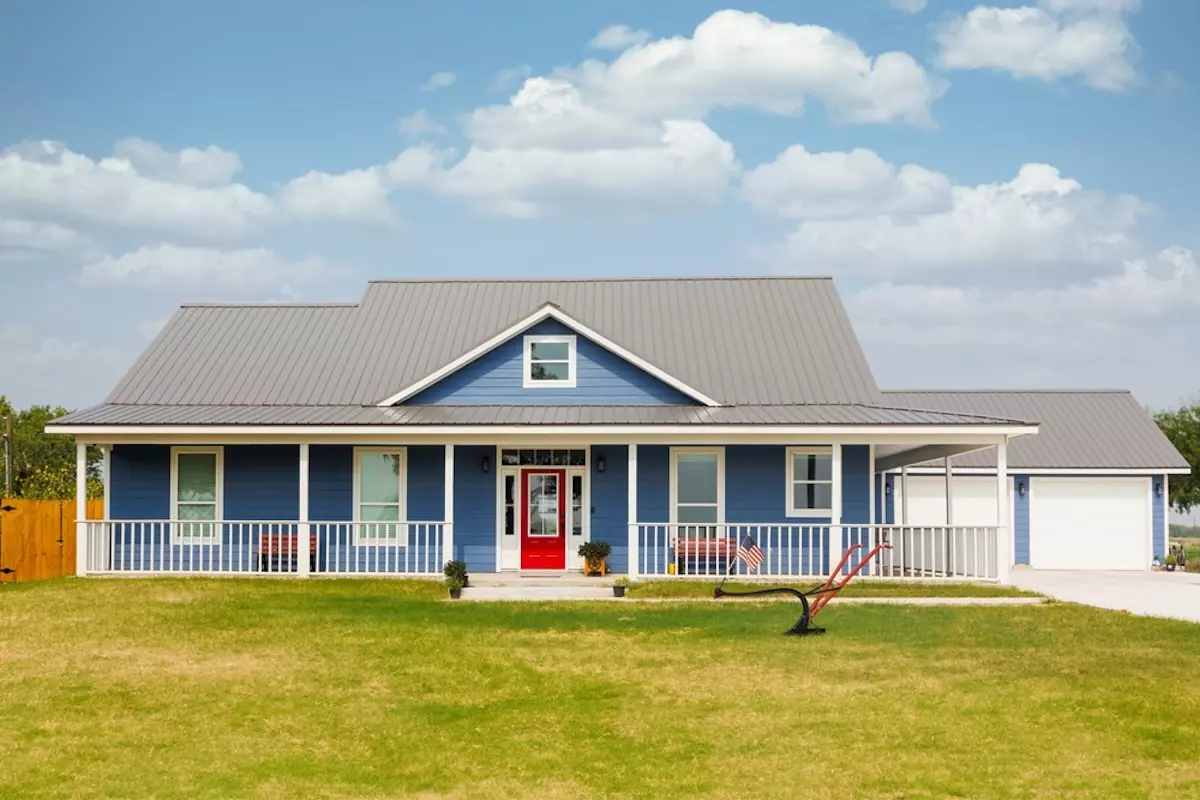
A porch gives this part of the home a proper use. It creates a dry place to stand, store everyday items, and separate the outdoors from the main hallway.
That can make a difference during a viewing. Buyers may not attach a clear price to the porch, but they may notice that the home feels neater, less draughty, and easier to live in.
A porch may add value for different reasons, but the result depends on how well it suits the property, the area, and the way the space is used.
A porch only works well if it looks like it belongs. A small, well-matched porch can do more for a home than a larger one that feels out of place.
For an older brick house, matching brickwork, a pitched roof, and a traditional door may work well. A newer home may suit a simpler shape, clean glazing, and a plainer roofline. A rural home may benefit from timber details, a covered entrance, and tough flooring for muddy boots.
Small details matter too. Roof shape, brick colour, lighting, door style, glazing, and house numbers all affect the final look. A good porch should feel connected to the main property.
Whether adding a front porch adds value to your home often depends on how useful the space is.
A porch with no storage, poor lighting, or awkward access may not add much. A porch that fixes daily problems can be far more appealing.
Useful features can include coat hooks, shoe storage, a bench, parcel space, tiled flooring, a secure outer door, good lighting, and insulated glazing.
For families, a porch can keep muddy shoes and school bags out of the hallway. For older homeowners, it can create a drier, more organised entrance that may be easier to use. For busy households, it can make deliveries and daily routines easier.
But does a front porch add value to your home in every area? Not always in the same way.
In family suburbs, storage and a practical entrance may carry more weight. In city terraces, a porch can add privacy from the street. In rural locations, it can work almost like a small boot room.
The street matters too. If many nearby homes have porches, adding one may help your home feel in line with the area. If porches are uncommon, the design needs care so it still suits the property.
Rain, wind, mud, and cold air make porches useful in the UK. A covered entrance can make small tasks easier, from unlocking the door in the rain to bringing in shopping.
Practical choices matter here. Non-slip flooring can help in wet weather. Good drainage can reduce standing water. Ventilation can stop the porch from feeling damp.
Planning systems differ across the UK. In England, a porch added to a house may fall under permitted development if its external ground-floor area is no more than 3 square metres, no part is higher than 3 metres, and no part is within 2 metres of a boundary that fronts a highway. These rights do not apply to flats or maisonettes and may be restricted for some homes.
Building Regulations are separate. In England, a ground-level porch under 30 square metres is normally exempt from approval if the existing external entrance door remains in place, glazing and fixed electrical work comply, and any ramped or level access for disabled people is not made worse.
Before booking work, check permission for porch planning and the local rules. Listed buildings, conservation areas, and homes with restricted permitted development rights may need extra checks.
Focus on a practical need, keep the design in proportion to the house, and compare itemised quotes. Check the cost of a porch and any planning requirements before work begins. If resale matters, ask a local estate agent how buyers in your area view porches. There is no guarantee that you will recover the full build cost.
A porch may add value to your home when it improves the entrance in a clear way. It should suit the house, solve a real problem, and be built properly.
Before starting, compare costs, ask a contractor how they would build a porch for your property, and check the rules. If you are considering borrowing, our porch financing guide explains common options. Interest and fees usually increase the total amount repaid.


(All content, including text, images, logos, and other materials, is the intellectual property of Renovate Dot UK Limited unless otherwise stated. You may not reproduce, distribute, or otherwise use the content for commercial purposes without prior written consent)
Every effort is made to keep the website up and running smoothly. However, Renovate Dot UK Limited takes no responsibility for, and will not be liable for, the website being temporarily unavailable due to technical issues beyond our control.
This disclaimer and all matters relating to your use of this website are governed by the laws of England and Wales, and any disputes shall be subject to the exclusive jurisdiction of the courts of England and Wales.


